
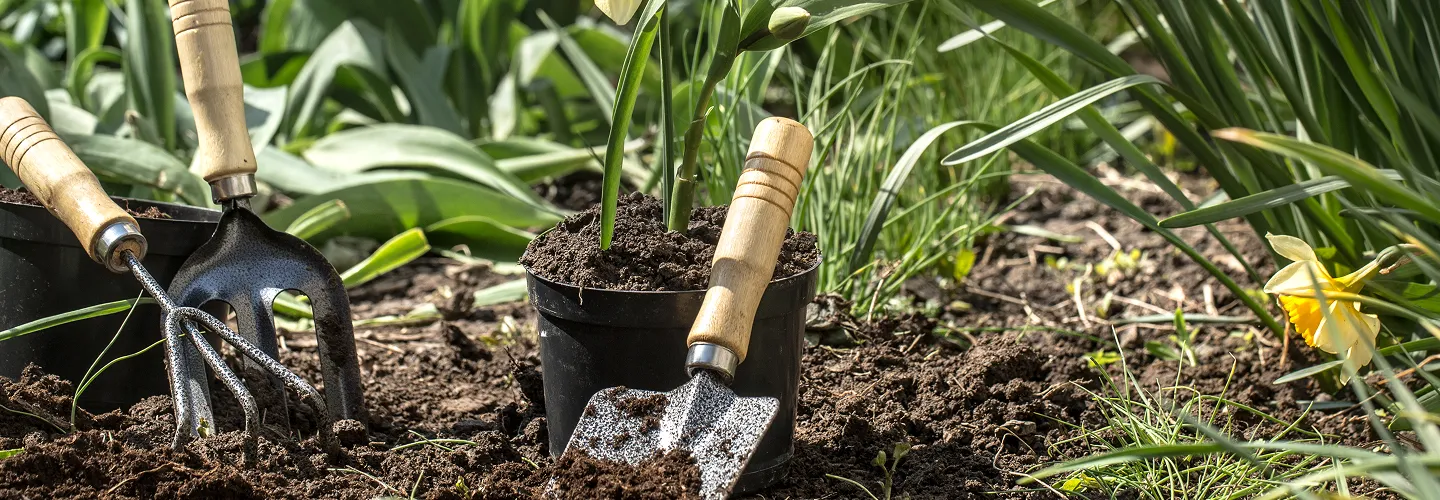
Lake Forest Lawn Leveling Services
Choose our expert lawn leveling services for a healthier, more beautiful yard—enjoy improved drainage, easier mowing, and a flawless outdoor space tailored to your needs.
Get a Free QuoteOur Lake Forest Landscaping & Yard Care Services
When to Schedule Lawn Leveling in Lake Forest, IL – Seasonal Guide
In Lake Forest, IL, the best time to schedule lawn leveling is typically in late spring or early fall, when soil temperatures are moderate and the risk of frost has passed. These seasons offer the most favorable conditions for soil settling and grass recovery, especially in neighborhoods like Conway Farms and near the Lake Forest College campus, where mature trees and established landscapes are common. The region’s climate features cold winters and humid summers, so timing your lawn leveling to avoid extreme temperatures and heavy rainfall is crucial for optimal results.
Local environmental factors such as the area’s clay-heavy soils, variable shade coverage from historic oak canopies, and the potential for late spring frosts all play a role in determining the right window for service. Additionally, proximity to Lake Michigan can influence humidity and precipitation patterns, impacting how quickly your lawn recovers after leveling. For more information on local regulations and seasonal guidelines, visit the City of Lake Forest Official Website.
Local Factors to Consider for Lawn Leveling in Lake Forest
- Tree density and shade from mature oaks and maples
- Soil type, especially clay content and drainage capacity
- Proximity to Lake Michigan and its effect on humidity and precipitation
- Frost dates and risk of late spring or early fall cold snaps
- Terrain variations, such as sloped yards in the Villa Turicum area
- Municipal restrictions or permit requirements for landscape work
- Drought risk during mid-summer months
- Recent construction or heavy foot traffic impacting soil compaction
Benefits of Lawn Leveling in Lake Forest

Enhanced Curb Appeal
Improved Lawn Health
Efficient Water Drainage
Safer Outdoor Spaces
Professional Expertise
Long-Lasting Results

Lake Forest Lawn Leveling Types

Topdressing Lawn Leveling
-
Laser Grading
-
Sod Removal and Regrading
-
Soil Compaction Correction
-
Drainage Improvement Leveling
-
Power Raking and Leveling
-
Manual Lawn Leveling
Our Lawn Leveling Process
Site Evaluation
Soil Preparation
Leveling Application
Compaction
Final Inspection
Why Choose Lake Forest Landscape Services

-
Lake Forest Homeowners Trust Us
-
Expert Lawn Maintenance
-
Reliable Scheduling
-
Competitive Pricing
-
Professional Team
-
Satisfaction Guarantee
-
Personalized Service
Contact Lake Forest's Department of Public Works for Soil Disposal & Grading Material Coordination
Proper soil disposal and material management are essential for any lawn leveling project in Lake Forest. The city requires that excess soil from grading operations—typically when projects exceed 50-100 cubic yards—be disposed of at the Transfer Station or Recycling Center during posted operating hours, with permits and fees as required. Imported soil must meet strict specifications: clean fill or screened loam with a pH of 6.3-6.8, 3-5% organic matter, and free of clay clumps or contaminants. Large projects needing street access or temporary material storage require material staging permits and traffic control coordination. All materials must be categorized: clean fill (free of debris and contaminants), contaminated soil (requiring testing and coordination with the health department or Illinois EPA), screened topsoil (4-6 inches for turf), and amendments like sand or compost. Strictly prohibited is the placement of soil in streets or storm drains; immediate cleanup is required to prevent NPDES violations and protect local water bodies.
Lake Forest Public Works Department
800 N Field Dr, Lake Forest, IL 60045
Phone: (847) 810-3543
Official Website: Lake Forest Public Works Department
Lake Forest Building Department Requirements for Grading Permits & Site Plan Approvals
Lake Forest's Building Department enforces grading permit requirements for projects involving 50-100 cubic yards of cut or fill, or grade changes exceeding certain heights. Permit applications must include detailed site plans with existing and proposed contours, drainage calculations, and compliance with zoning setbacks and maximum slope restrictions (typically 33% or 3:1 for stability). Engineering review is required for complex drainage modifications, and inspections are scheduled during and after construction. Coordination with the Planning Department is necessary for significant site alterations affecting impervious surfaces or lot coverage. Documentation such as as-built surveys, compaction test results, and drainage verification is required for final approval and issuance of a certificate of completion.
Lake Forest Community Development Department
800 N Field Dr, Lake Forest, IL 60045
Phone: (847) 810-3503
Official Website: Lake Forest Community Development Department
Professional Site Assessment & Drainage Engineering for Lake Forest's Prairie Clay & Glacial Till Soils
A thorough site assessment is critical in Lake Forest, where prairie clay and glacial till soils dominate, often leading to drainage challenges and compaction. Mandatory soil testing through the University of Illinois Extension Plant Clinic provides analysis of pH (often alkaline, requiring adjustment), nutrient levels, organic matter, and clay content. The USDA Web Soil Survey identifies local soil series and drainage characteristics, guiding amendment and grading strategies. Topographic surveys using laser levels, drainage pattern analysis, and mandatory utility location via JULIE (811, 48-hour notice) are required. Proper slope establishment (1-2% minimum away from structures, 33% maximum) and consideration of the frost line (36-48 inches) are essential for long-term stability.
Lake Forest Environmental Compliance Requirements for Grading Near Protected Areas
Environmental compliance is paramount when grading near Lake Forest's streams, lakes, wetlands, or conservation areas. Coordination with the Illinois Environmental Protection Agency and Illinois Department of Natural Resources is required for permits and buffer zone management. Erosion control measures—such as silt fences, compost filter socks, and sediment basins—must be installed before work begins, especially in clay soils prone to erosion. Immediate stabilization (within 24-48 hours) and permanent stabilization (within 7-14 days) are mandated by Illinois EPA guidelines. Habitat protection, including root zone preservation for mature trees and selective grading to support wildlife, aligns with Lake Forest's environmental goals and the Illinois Monarch Project.
Professional Grading Standards, Equipment Requirements & Safety Protocols
Professional standards in Lake Forest require a licensed Professional Engineer (PE) for complex drainage projects, certified landscape contractors, and trained equipment operators. Equipment must include GPS-guided graders, laser leveling systems, and compaction tools achieving 85-90% relative density without over-compacting root zones. Soil should be compacted in 2-3 inch lifts, with finish grading at a 1-2% slope away from structures and 4-6 inches of screened loam applied. Safety protocols include personal protective equipment (PPE), daily equipment inspections, first aid certification, and commercial liability insurance (minimum $1 million coverage). These standards ensure public safety and compliance with municipal requirements.
Seasonal Timing & Weather Coordination for Grading Operations in Lake Forest's Climate Zone 5b
Lake Forest's climate (USDA Zone 5b) requires careful seasonal planning for grading. The optimal spring window is April-May after ground thaw, when soil moisture is workable. Summer operations (June-August) must account for heat stress, drought, and clay soil cracking. The best fall window is September-October before ground freeze, while winter work is restricted due to frost penetration (36-48 inches). Soil should not be graded when saturated or dust-dry, and precipitation must be monitored to prevent erosion and rutting. Seeding and sodding should occur when soil temperatures exceed 50°F, with irrigation coordinated for establishment.
Stormwater Management & NPDES Compliance During Lawn Leveling Operations in Lake Forest
Stormwater management is regulated under the Clean Water Act and EPA NPDES programs, with Lake Forest participating in the Illinois EPA MS4 program. Projects disturbing more than 1,000 square feet require comprehensive erosion and sediment controls, including perimeter barriers and inlet protection. Construction-phase best management practices (BMPs) include daily mechanical street cleaning, proper equipment staging, and material containment—especially important for clay soils. Long-term benefits include improved drainage, reduced flooding, and enhanced infiltration. Compliance monitoring involves daily inspections during construction and weekly checks during establishment, with photographic documentation and immediate repairs as needed.
Utility Coordination & Infrastructure Protection Requirements for Safe Grading Operations
Utility protection is critical in Lake Forest, where dense infrastructure requires strict adherence to JULIE (811) procedures. Notification must be made at least 48 hours before excavation exceeding 12 inches, with hand-digging required within 18 inches of marked utilities. Safety protocols include coordination with utility companies, emergency procedures for accidental strikes, and adherence to minimum cover requirements. Backfill and compaction around utilities must use appropriate materials, and coordination with the Water & Sewer Department ensures municipal infrastructure is protected. Final inspections verify utility clearance and restoration.
Lake Forest Water & Sewer Services
800 N Field Dr, Lake Forest, IL 60045
Phone: (847) 810-3570
Official Website: Lake Forest Water & Sewer Services
Post-Grading Soil Amendment, Seeding & Establishment Protocols
Post-grading restoration in Lake Forest involves incorporating soil amendments based on test results—lime or sulfur for pH, compost for organic matter, and sand for drainage improvement in clay soils. Seedbed preparation includes fine grading and debris removal, with immediate stabilization (seeding, sodding, or hydroseeding) within 24-48 hours per Illinois EPA requirements. Mulching (2-4 inches) or erosion control blankets are used on slopes, and temporary irrigation supports establishment. Monitoring includes germination checks (7-14 days), stand density evaluation, and irrigation management during the critical 2-4 week period. Long-term plans transition to maintenance schedules and may include 1-2 year warranties for establishment.
What Neighborhoods Do We Serve Throughout Lake Forest, IL?
Lake Forest's neighborhoods each present unique grading challenges:
- East Lake Forest (Historic District): Steep slopes, mature trees, and proximity to Lake Michigan require careful drainage planning, strict historic district permitting, and tree protection.
- Conway Farms: Rolling topography with clay soils and high utility density necessitates precise grading, JULIE coordination, and HOA compliance.
- Everett Area: Flat terrain with poorly drained clay, frequent ponding, and older infrastructure demand robust drainage solutions and coordination with the Water Department.
- Onwentsia/South Park: Varied elevations, mature landscapes, and stormwater management needs require environmental sensitivity and compliance with local ordinances.
- West Lake Forest: Larger lots, loess and clay soils, and proximity to wetlands require buffer management, environmental permits, and careful material staging.
- Northmoor: Flood-prone areas near streams, high water tables, and compacted urban soils require advanced drainage engineering and NPDES compliance.
- Central Business District: Limited equipment access, dense utilities, and strict municipal standards require detailed planning, traffic control, and coordination with multiple city departments.
Lake Forest Municipal Ordinances for Grading Equipment Operation & Commercial Service Standards
Lake Forest enforces municipal ordinances regulating grading equipment operation, including permitted hours (typically 7 a.m. to 7 p.m. on weekdays), noise limits, and traffic control requirements. Commercial grading services must be licensed, bonded, and insured, with a minimum $1 million liability coverage. Operators must follow safety protocols, including PPE use and daily equipment inspections. Compliance with all city codes, including those enforced by the Engineering Division, is required for all commercial grading activities.
Lake Forest Engineering Division
800 N Field Dr, Lake Forest, IL 60045
Phone: (847) 810-3552
Official Website: Lake Forest Engineering Division
For further guidance, consult the University of Illinois Extension for soil testing and lawn establishment resources, and refer to the National Weather Service Chicago for up-to-date weather and soil condition information. Always coordinate with local and state agencies to ensure compliance with all environmental, safety, and municipal requirements.